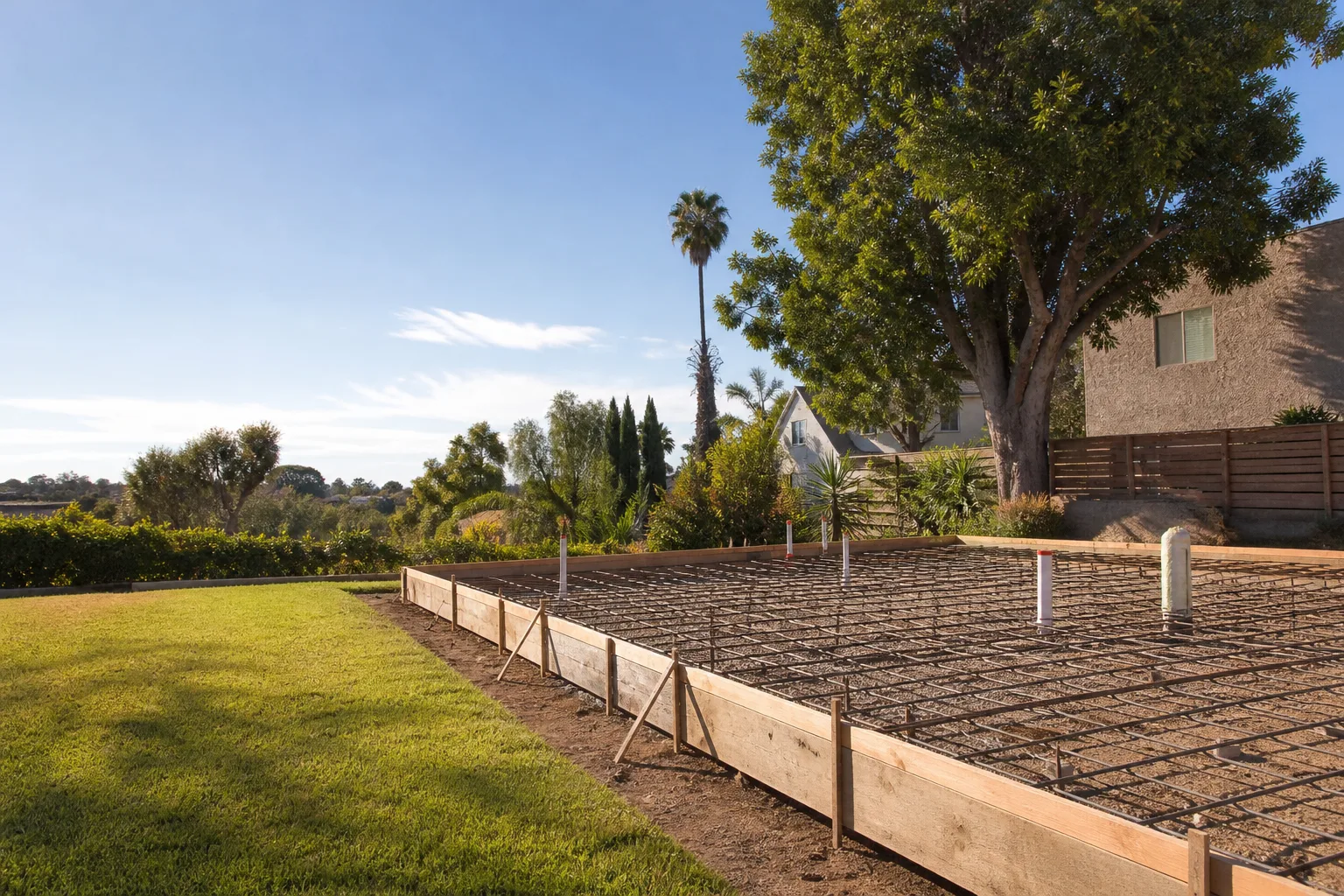

Cover Site Prep & Utilities: The Winchester Owner’s Guide
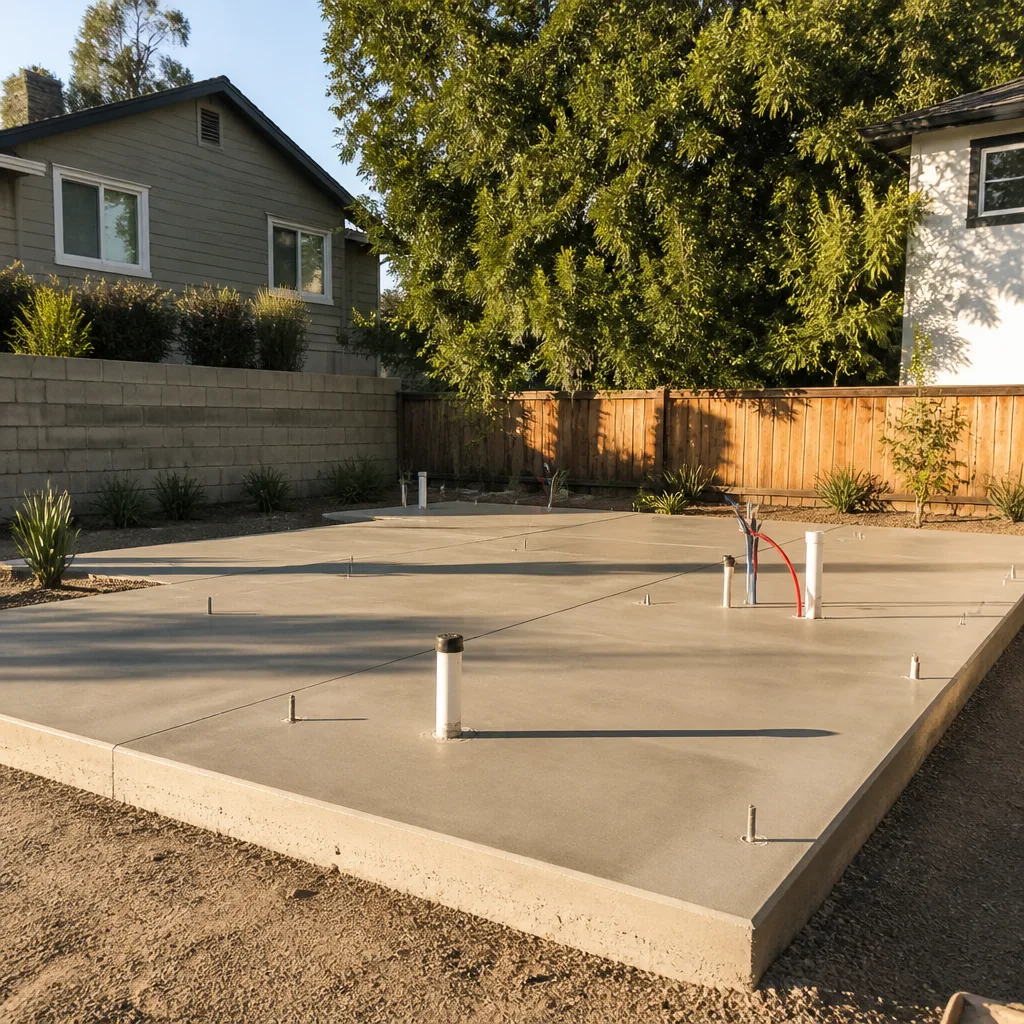
Site prep and utilities work for a Cover ADU in Winchester – grading, trenching, running conduit, setting the utility stub-outs, and building the pad or foundation the unit lands on – typically runs $14,000 to $38,000 installed, depending on lot slope, distance to your panel and sewer tap, and what Clark County requires for your address. We don’t rush this. Site work is scheduled and inspected in sequence, not done same-day. What you get from us is a written price before a shovel moves.
Most Winchester owners discover a site prep or utility problem during the Cover pre-installation survey, or later, when the unit is set and something isn’t draining, the conduit sits too shallow, or the pad has settled enough that a door won’t latch. That’s when the calls start. The good news: these problems are almost always fixable, and knowing which piece failed tells you what kind of repair you’re actually pricing.
We’re an independent ADU and addition contractor. We’re not affiliated with Cover, and we say that plainly – we just know their product line well enough to prep a lot to their spec.
Which Cover Models This Applies To
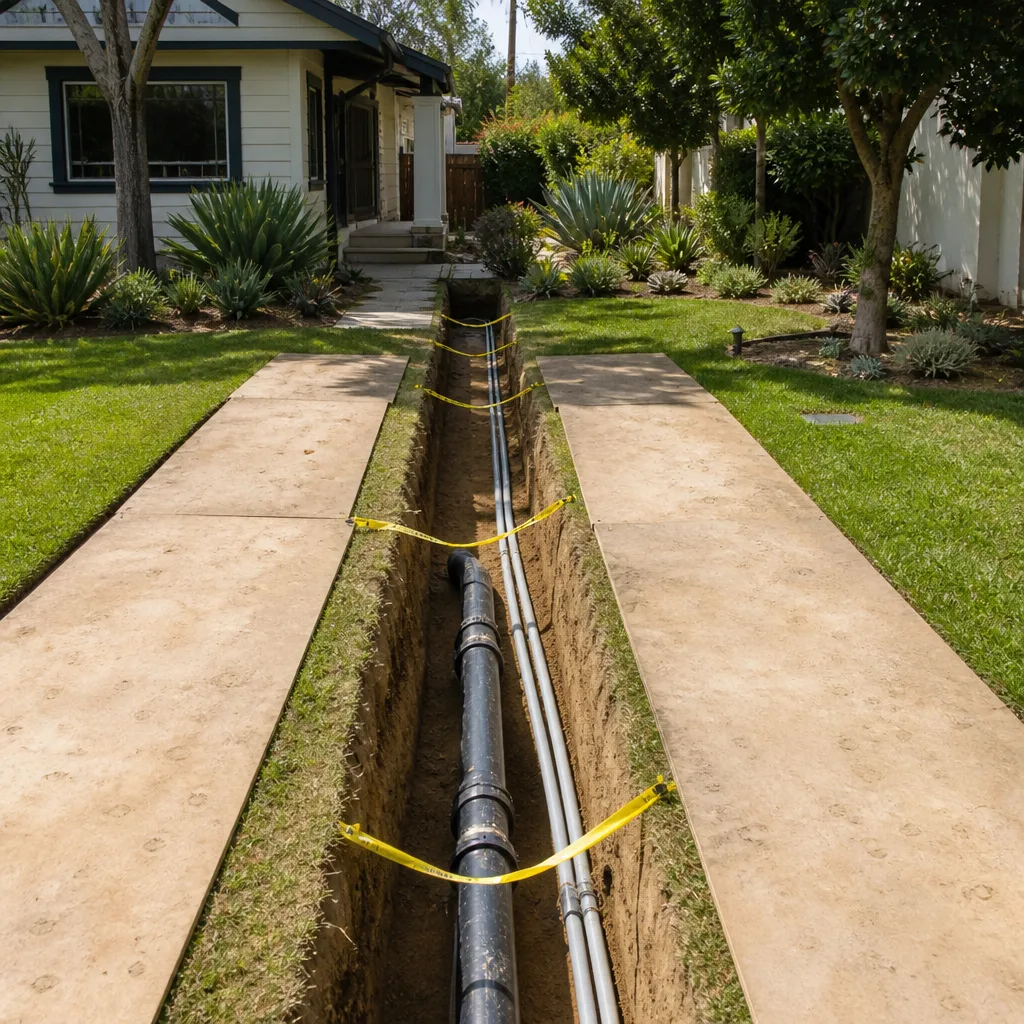
Cover’s product range includes backyard studios, one-bedroom and two-bedroom configurations, and the larger family-sized models, and the site prep and utility scope shifts with each. A studio may need a single 100-amp feed and a compact pad. A two-bedroom with a full kitchen and washer-dryer often needs a 200-amp service, a larger sewer and water stub-out, and more regrading if your lot slopes. Brand-adjacent lines like Abodu and Dvele have their own utility drawings, and the requirements don’t transfer cleanly between them.
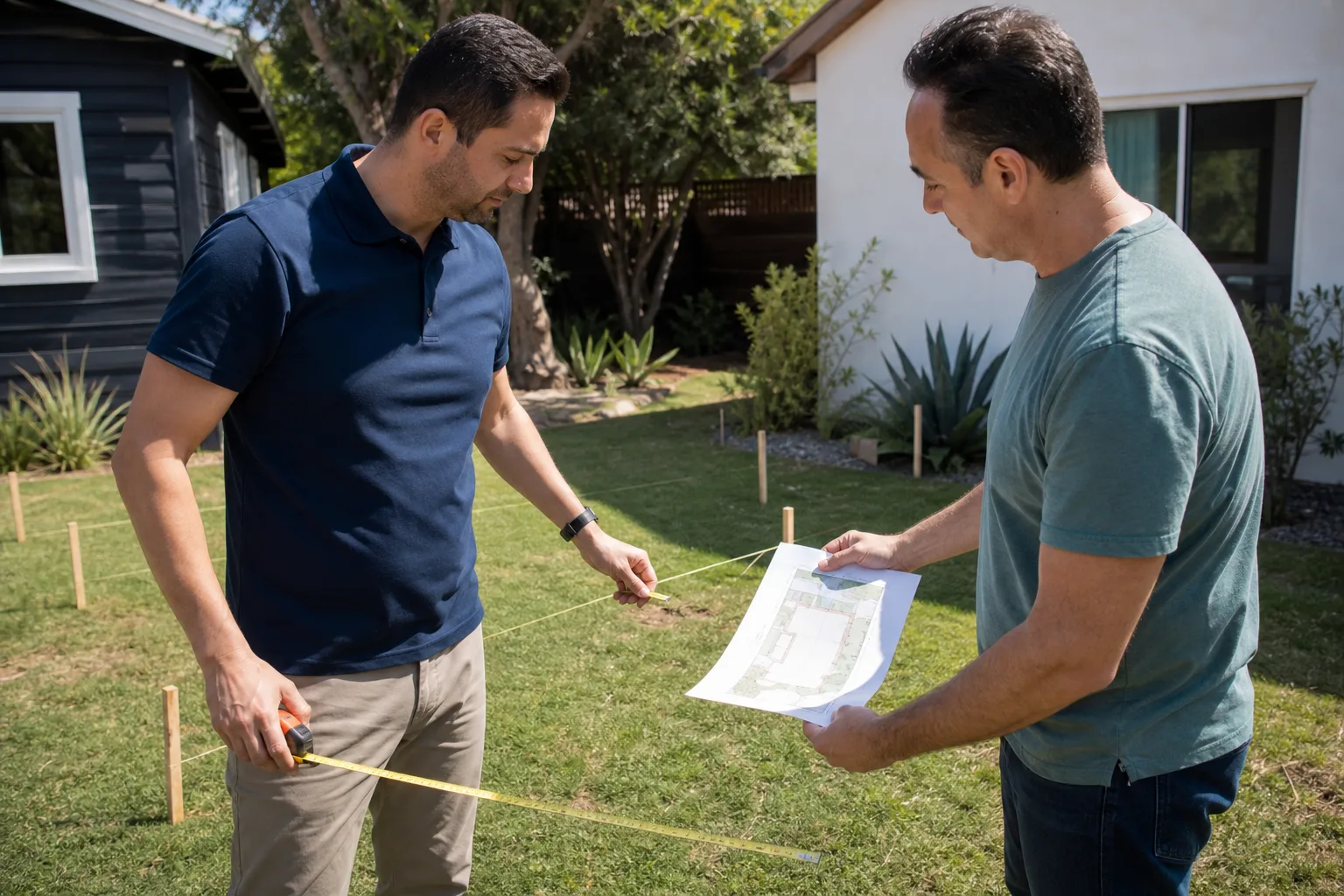
To identify what your unit needs, start with the foundation and utility drawings that came with your Cover purchase – they specify pad dimensions, anchoring, conduit burial depth, and where water, sewer, and electrical enter. If you don’t have those drawings, the label inside the unit’s electrical panel and the stamped plan set (if your permit is on file with Clark County) will tell you the service size and model. Measure the existing pad and the distance to your meter and main sewer line before you call anyone.
On the OEM-versus-aftermarket question: for structural and utility connections there’s no meaningful “aftermarket” part in the way there is for a hinge or a window trim. The conduit, fittings, subpanel, and anchors are commodity components rated to spec. Where brand-specific matters is the anchoring system and the utility entry points – those we match to Cover’s drawings, not to a generic kit.
Signs Your Cover Site Prep & Utilities Is Failing
Site work fails slowly and quietly, which is why it helps to know what to look for. Here are the symptoms Winchester owners most often report:
- Standing water or soggy ground near the pad after rain. Grading wasn’t pitched away from the unit, or a swale was never cut. In Winchester’s monsoon months (July through September), a poorly graded pad turns into a shallow pond that works its way under the foundation.
- A door that won’t latch or a hairline crack running along the pad edge. The pad has settled or shifted. Often this traces to inadequate base compaction – soil in parts of the Winchester area has a high clay content, and clay expands and contracts with moisture, so a pad built without proper sub-base prep moves.
- A tripping breaker, warm panel, or lights that dim when the AC kicks on. The electrical feed is undersized or a connection is loose. This one needs a licensed electrician – don’t open the panel yourself.
- Slow drains or a sewage smell near the unit. The sewer stub-out may have insufficient slope, or a joint has separated. Sewer slope is measured in inches per foot, and it’s easy to get wrong during backfill.
- Visible conduit sitting high or exposed after the ground settles. Conduit was buried too shallow, or backfill wasn’t compacted. Clark County requires minimum burial depth for electrical conduit, and settling soil can expose a run that started out complaint.
If you’re seeing any of these, the honest next step is an inspection – not a guess about which piece is at fault.
Replacement Cost & What’s Included
Here’s how the numbers break down for Winchester. These are installed ranges, parts and labor together, so you’re not guessing at the split:
- Regrading and drainage correction: $2,500 to $7,500. Includes re-pitching the slope away from the unit and cutting or repairing a swale.
- Pad repair or piering for a settled foundation: $3,500 to $12,000. Clay soil, poor compaction, and distance from the original anchor points drive the range.
- Electrical service upgrade or feed repair: $1,800 to $6,500. A 200-amp service upgrade, new conduit run, and permit sit at the top of that range.
- Sewer or water stub-out repair: $1,500 to $6,000. Depth, distance to the main, and whether the yard needs to be re-excavated all move the number.
- Conduit re-trench and re-bury: $900 to $3,200. Small job, but a permit and an inspection.
What drives the range: lot slope, how far your unit sits from the panel and sewer main, whether the work needs a Clark County permit and inspection (most utility changes do), and whether existing landscaping has to come out. Every project gets a written, line-item price before any work starts. There are no surprise invoices. If something we installed fails within a year, the 365-Day Done Right Promise covers it – defects in workmanship for a full calendar year from completion – and we come back at no charge.
DIY or Call Us?
Some checks are genuinely safe for a homeowner. You can walk the perimeter after a rain and note where water pools. You can photograph cracks in the pad and measure them over a few weeks to see if they’re growing. You can look at the electrical panel cover and read the service rating printed on the main breaker. You can check that downspouts and grading send water away from the unit. Those observations are useful and cost nothing.
What we don’t recommend: digging up a sewer line, re-trenching electrical conduit, opening an electrical panel, or attempting to re-level a settled foundation. Underground utility work involves live electrical, gas lines on many lots, and structural loads – getting it wrong can mean a shock, a gas leak, or a pad that fails again in a year. That’s licensed-trade territory, and it’s also permit territory.
If you’ve spotted a symptom and you’re not sure whether it’s serious, call us at (844) 761-9367. Our team answers live, 24 hours a day, seven days a week. We’ll tell you plainly whether it needs a visit.
FAQs
The pad and foundation should serve the life of the unit – decades – if the base was compacted properly and drainage was pitched correctly. The variables that shorten that lifespan in Winchester are the clay-heavy soil and monsoon rain, both of which stress a pad built without proper sub-base prep. Conduit and buried lines last longer than most people expect; the common failure is a shallow burial that gets exposed by settling, not the pipe itself. Grading and drainage should be checked after every monsoon season.
Usually yes, and it’s almost always cheaper than replacement. A settled pad can often be piered and re-leveled rather than torn out. A shallow conduit run can be re-trenched and re-buried. A separated sewer joint can be repaired. What can’t be repaired is a pad built on uncompacted clay that keeps moving – in that case, a partial rebuild is the honest answer, and we’ll tell you so before you spend money on a fix that won’t hold.
Most site prep and utility repairs run three to ten working days, depending on scope and whether permits and inspections are involved. A regrading job might take two or three days. A pad repair with piering and a re-inspection could take a week or more. We schedule in sequence and we don’t promise same-day on planned work, because the inspection timeline isn’t ours to compress. You’ll get a written schedule with your price.
We match the anchoring system and utility entry components to Cover’s drawings and specifications, and we source conduits, fittings, subpanels, and anchors to the rating your unit requires. We don’t claim to stock Cover-specific parts or carry them on a truck – we order what the job needs and bring it to your site. For utility connections, the parts are commodity components rated to spec; what matters is the sizing and the burial depth, not the brand logo on the conduit.
If you’re in Winchester and you’ve got a site prep or utility question you can’t answer from the drawings, call (844) 761-9367. We’ll give you the straight answer first, and if a visit makes sense, we’ll tell you that too. Estimates are free, the price is written before work begins, and every technician who comes to your door is background-checked, identity-verified, and photo-badged – you’ll get their name and photo before they arrive. Our technicians bring up to 20 years of experience to the work. That’s the Threshold Standard, and it applies to every project we take on in Winchester.
Written by the team at Sutton ADU Builders Winchester, serving Winchester and nearby areas.